
TurbineOne Supports Army NGC2 Across 25th and 4th Infantry Divisions
October 12, 2026
The way we interact with technology is constantly evolving. As digital experiences become more integrated into our everyday lives, the importance of thoughtful, human-centered design has never been greater.
From emerging technologies to established platforms, designers and developers face a common challenge: creating experiences that are not only functional but also intuitive, accessible, and meaningful.
Over the past decade, digital products have undergone a remarkable transformation. What began as simple interfaces has evolved into complex ecosystems connecting people, information, and services across the world.
Today, successful digital experiences share three fundamental characteristics:
These principles provide a foundation for building products that remain relevant as technology continues to advance.
A design system is more than a collection of reusable components. It is a shared language that enables teams to create cohesive experiences at scale.
When implemented effectively, design systems help organizations:
For additional context, explore the Webflow website.
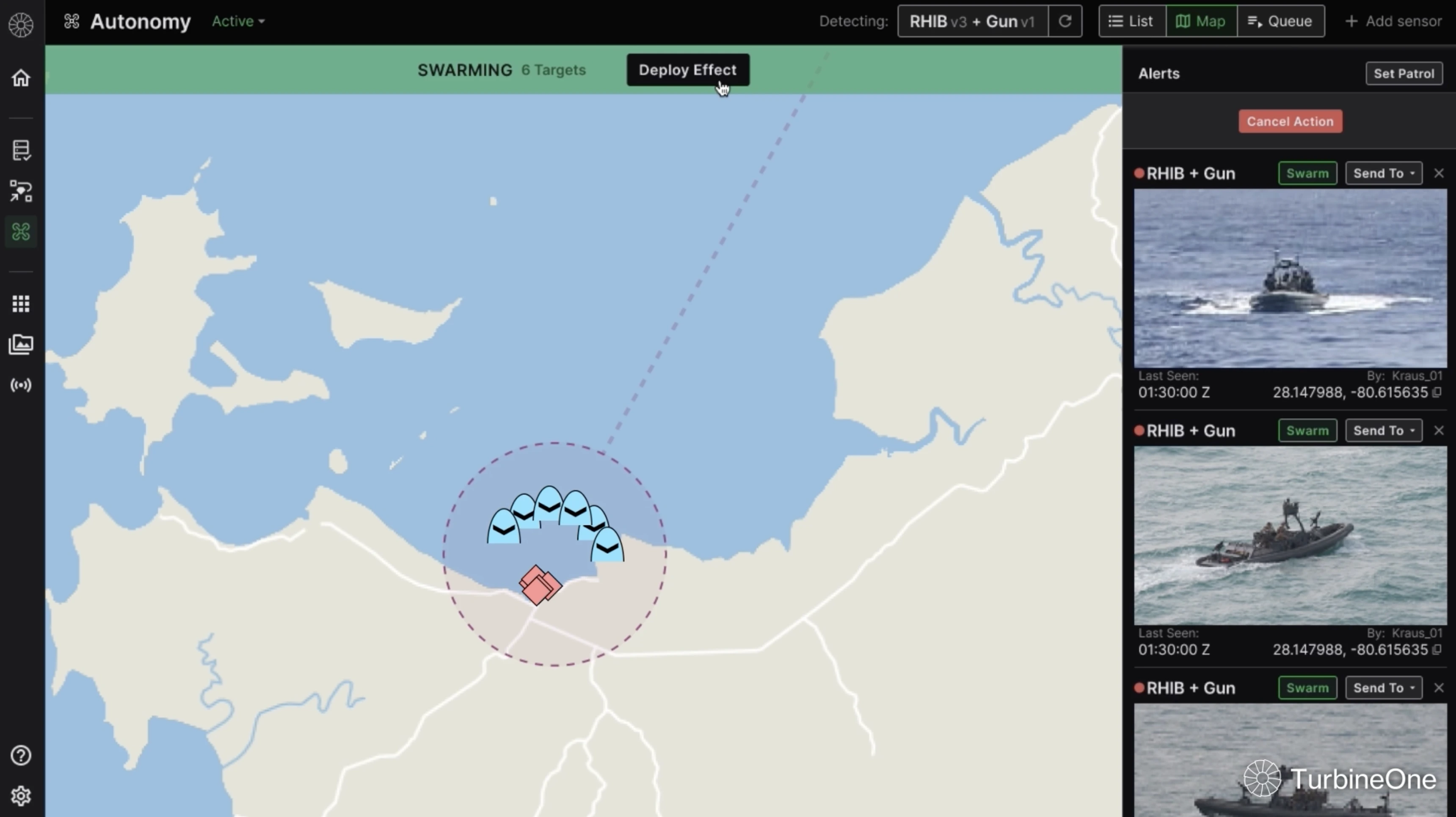
Technology should serve people, not the other way around. Every design decision presents an opportunity to simplify complexity and improve how users engage with a product.
Great design isn't about adding more. It's about understanding what matters and removing everything that doesn't.
This philosophy extends beyond aesthetics. It influences everything from information architecture and interaction patterns to performance optimization and content strategy.
Visual design and usability should work together rather than compete for attention. A beautiful interface that fails to communicate effectively is ultimately unsuccessful.
Consider the following priorities:
The most effective solutions emerge when these elements reinforce one another.
As artificial intelligence, automation, and connected systems continue to mature, the boundaries between digital and physical experiences will become increasingly fluid.
Organizations that embrace experimentation while maintaining a clear understanding of their users will be better positioned to navigate this transformation.
The future of digital design will be shaped by several important considerations:
The most enduring digital experiences are built on a foundation of curiosity, craftsmanship, and intentionality.
By combining strategic thinking with thoughtful execution, we can create products that do more than meet expectations. We can create experiences that genuinely improve how people interact with the world.
This is sample editorial content created for testing rich text formatting, typography, and responsive layouts.